

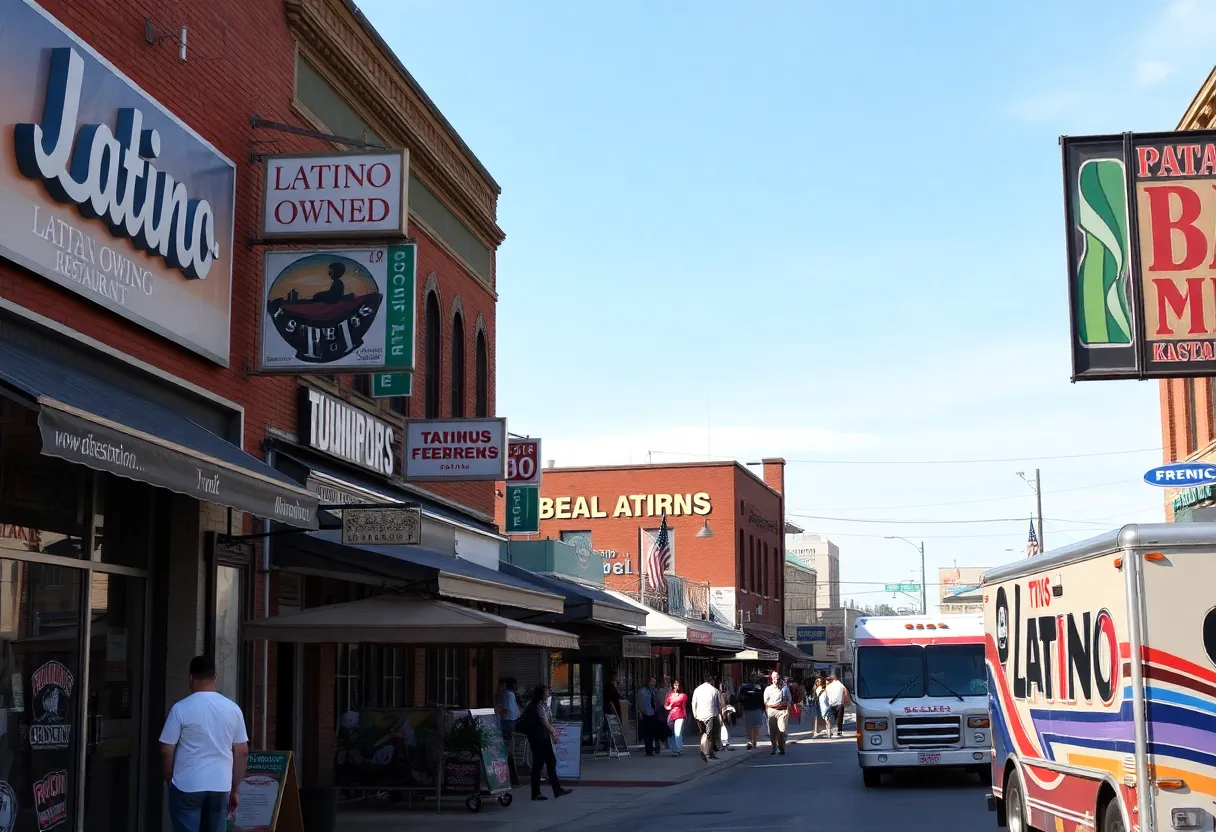
Tulsa, Oklahoma, January 6, 2026
Latino-owned businesses in Tulsa are thriving and expanding into new markets, contributing to economic development and cultural diversity. Local entrepreneurs like Jose Bamaca and Carla Meneses exemplify success in nurturing a vibrant business environment with support from local organizations. The Tulsa Area Hispanic Chamber of Commerce and city initiatives, including the East Tulsa Incubator, are essential to fostering entrepreneurial innovation in the community.
Tulsa Celebrates Growth of Latino-Owned Businesses
Local entrepreneurs are driving economic development and cultural diversity
Tulsa, Oklahoma – Latino-owned businesses in Tulsa are experiencing significant growth and expanding into new markets, significantly contributing to the city’s economic development and cultural diversity. The thriving entrepreneurial spirit within the Latino community highlights the resilience and determination of business owners who are actively shaping Tulsa’s future.
As these businesses gain traction, the community witnesses profound transformations in both economic opportunities and cultural engagement. Support from local organizations and city initiatives is playing a vital role in enhancing the environment for entrepreneurial innovation and success.
Expansion of Latino-Owned Businesses
918 Maples Group, led by president Jose Bamaca, has transitioned from a catering service to owning three brick-and-mortar locations, a kiosk, and two food trucks throughout Tulsa. Bamaca’s successful venture into the American wedding market, with eight weddings held in 2021 alone, demonstrates a significant milestone in market diversification.
Que Gusto, owned by Carla Meneses, started with just two types of empanadas but has since expanded to feature over 15 flavors and additional Ecuadorian dishes. Situated at 105 N. Martin Luther King Jr. Blvd., this restaurant began operations in 2018 and completed an expansion in November 2025, showcasing a dedication to serving a diverse clientele that includes individuals from various Latin American countries.
Dulce Vida Café, a Mexican-inspired coffee shop established by Tiffany Rodriguez in early 2025, is located in an area of south Tulsa with limited Latino representation. The café not only offers traditional beverages but also collaborates with other Latino businesses, featuring jewelry from Rancho Los Pinos and pastries from Ale Creations918. Rodriguez emphasizes the importance of educating the community about Latino culture while encouraging fellow Latino entrepreneurs to pursue their business aspirations.
Support for Latino Entrepreneurs
Key to this growth is the Tulsa Area Hispanic Chamber of Commerce, which has been pivotal in supporting Latino entrepreneurs through advocacy, networking, and educational resources. Established in 2024, the Chamber has already served over 300 business owners, creating a sustainable economic environment where small businesses can thrive.
Avanzando Juntos, a nonprofit organization, provides additional assistance to local entrepreneurs by offering startup capital, mentorship, and necessary resources to ensure business stability and growth, thereby enhancing the vibrancy of the local economy.
City Initiatives and Economic Impact
The City of Tulsa has initiated the East Tulsa Incubator at Plaza Santa Cecilia, designed to support small businesses and entrepreneurs in the Tulsa Global District. This incubator provides programmatic support, community space for workshops, and an international market-themed retail venue for immigrant entrepreneurs to test and market their products.
Between 2018 and 2023, Tulsa has seen growth across various sectors, with over 25,000 new jobs created. Hispanic-owned businesses have significantly contributed to this economic development, highlighting their role in fostering a thriving local economy.
Conclusion
The ongoing success and expansion of Latino-owned businesses in Tulsa encapsulate the community’s resilience and entrepreneurial spirit. With strong backing from local organizations and city initiatives, these businesses are well-positioned to make a lasting impact on the economy and cultural fabric of Tulsa. By supporting local entrepreneurs, residents can further advance the city’s economic future and celebrate its diverse heritage.
Frequently Asked Questions
- What is the role of the Tulsa Area Hispanic Chamber of Commerce?
- The Tulsa Area Hispanic Chamber of Commerce supports Latino entrepreneurs through advocacy, networking, and education, fostering a thriving and sustainable economic environment. Established in 2024, the Chamber has served over 300 business owners.
- What is the East Tulsa Incubator?
- The East Tulsa Incubator, located at Plaza Santa Cecilia, is a business incubator launched by the City of Tulsa to support small businesses and entrepreneurs in the Tulsa Global District. It offers programmatic support, community space for workshops, and an international market-themed retail space for immigrant entrepreneurs to test and market their products.
- How have Hispanic-owned businesses contributed to Tulsa’s economic growth?
- Between 2018 and 2023, Tulsa experienced notable growth in various sectors, including the addition of over 25,000 new jobs. Hispanic-owned businesses have played an important role in this economic development, contributing significantly to the city’s growth.
| Business Name | Owner | Location | Year Established | Expansion Details |
|---|---|---|---|---|
| 918 Maples Group | Jose Bamaca | Tulsa, OK | 2017 | Expanded to three brick-and-mortar locations, a kiosk, and two food trucks across Tulsa. Entered the American wedding market in 2021. |
| Que Gusto | Carla Meneses | Tulsa, OK | 2018 | Offers over 15 flavors of empanadas and other Ecuadorian dishes. Completed an expansion in November 2025. |
| Dulce Vida Café | Tiffany Rodriguez | Tulsa, OK | 2025 | Opened in early 2025 in south Tulsa. Features products from other Latino businesses, including jewelry from Rancho Los Pinos and pastries from Ale Creations918. |
Deeper Dive: News & Info About This Topic
HERE Resources