

News Summary
Researchers from the University of Oklahoma and West Virginia University have secured a five-year, $3.5 million grant from the NIH to study the addictive potential of ‘concept’ flavored cigarillos. This research aims to analyze consumer behavior and health outcomes associated with these uniquely marketed tobacco products. The study will assess whether these products are as appealing as traditional flavored cigarillos and provide critical insights for potential FDA regulations.
Oklahoma City, OK – Researchers from the University of Oklahoma (OU) are making headlines with their recent collaboration with West Virginia University (WVU). The two institutions have been awarded a substantial five-year, $3.5 million grant from the National Institutes of Health (NIH) to explore the addictive potential of “concept” flavored cigarillos. This research project is set against the backdrop of rising public health concerns related to tobacco products, offering an innovative approach to understanding consumer behavior and health outcomes.
The term “concept” flavored cigarillos refers to those products that have ambiguous names like “Ocean Breeze” or “Jazz,” which lack clear flavor descriptors. This unique marketing strategy is designed to bypass existing bans on flavored tobacco products, resulting in a noticeable uptick in sales in regions where flavored options have been restricted. As these products gain traction, research into their appeal and potential health risks becomes increasingly critical.
This research initiative aims to determine whether these concept flavors are as attractive to users as traditional flavored cigarillos, known for their appeal to new consumers and their influence on nicotine dependence. The study’s findings will be instrumental for the FDA as it considers regulations surrounding flavored tobacco products, potentially impacting other items such as e-cigarettes and nicotine pouches.
Research Objectives
The primary objective of the study is to assess the addictive nature of concept flavored cigarillos among young adults. By enrolling participants who are current cigarillo users, researchers will analyze their smoking behaviors concerning various flavored products. This comparative analysis will help understand not only the satisfaction associated with each product but also how different flavor names influence user preferences.
Innovative Research Methodology
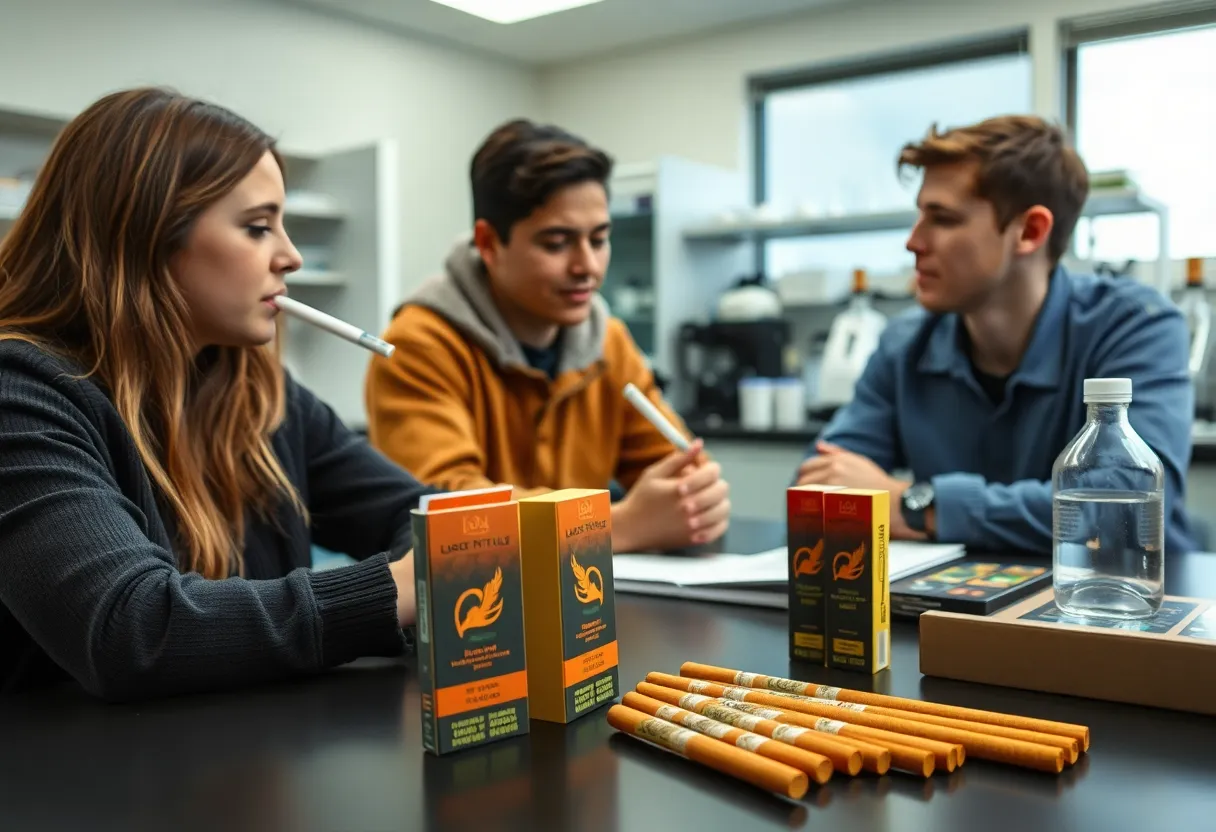
To gather comprehensive data, the research team will employ a variety of methods. Young adult cigarillo users will participate in laboratory sessions where their smoking patterns will be observed. Additionally, a simulated tobacco marketplace will be established to evaluate purchasing behaviors based on changes in product availability and pricing. This multifaceted approach will provide insights into consumer decisions in real-world scenarios.
Chemical Composition Analysis
A vital component of the research involves chemical analyses of the cigarillos themselves. Investigators aim to identify the ingredients and additives present in these products, revealing potential differences and similarities across the spectrum of “concept” flavored options. Preliminary studies indicate that many cigarillos, despite their distinct flavor names, often share closely related chemical profiles.
Collaboration and Interdisciplinary Innovation
This partnership between OU and WVU underscores the value of interdisciplinary research, especially when tackling public health issues linked to tobacco use. By combining expertise from various fields, the research can address the complex dynamics of consumer behavior while contributing to the broader effort of regulating tobacco products effectively.
Funding and Support
The project is funded by the National Institute on Drug Abuse, a key division of the NIH. This backing not only validates the significance of the research but also emphasizes its alignment with national priorities in public health. The outcomes of this project are expected to yield critical findings that will support regulatory decisions affecting flavored tobacco products and potentially influence health policies at a national level.
Conclusion
The collaborative endeavor between the University of Oklahoma and West Virginia University represents a significant step forward in understanding the implications of flavored tobacco products. As research progresses, it promises to shed light on consumer behavior and inform essential public health regulations. For those interested in the intersection of health, policy, and education, following the outcomes of this study may provide valuable perspectives on the future landscape of tobacco use and regulation in the United States.
Frequently Asked Questions (FAQ)
What are “concept” flavored cigarillos?
“Concept” flavored cigarillos are tobacco products with ambiguous names like “Ocean Breeze” or “Jazz,” lacking explicit flavor descriptors. This marketing strategy allows them to circumvent existing bans on flavored tobacco products. Sales of these products have surged in regions where flavored cigarillos are prohibited, indicating a shift in consumer preferences.
What is the purpose of the NIH grant awarded to OU and WVU researchers?
The grant aims to investigate the addictive potential of “concept” flavored cigarillos. The study will assess if these products are as appealing as traditional flavored cigarillos, which are known to attract new users and increase nicotine dependence. Findings will inform the FDA’s forthcoming flavor ban on cigar products and may extend to other flavored tobacco items, such as e-cigarettes and nicotine pouches.
How will the researchers conduct their study?
The research team plans to enroll young adult cigarillo users to assess their smoking behaviors with various flavored cigarillos, including those with concept flavor names. They will analyze smoking patterns and evaluate the perceived satisfaction and reward associated with each product. Additionally, a simulated tobacco marketplace will be used to study consumer purchasing behaviors in response to changes in product availability and pricing.
What is the significance of this research?
This collaborative effort between OU and WVU underscores the importance of interdisciplinary research in addressing public health challenges related to tobacco use. The outcomes are expected to provide valuable insights into the regulation of flavored tobacco products and their impact on consumer behavior and health.
Who is funding this research?
The project is supported by the National Institute on Drug Abuse, a component of the NIH, under award number R01DA062632-01. The content is solely the responsibility of the authors and does not necessarily represent the official views of the NIH.
Key Features of the Study
| Feature | Description |
|---|---|
| Research Focus | Investigating the addictive potential of “concept” flavored cigarillos |
| Grant Amount | $3.5 million over five years |
| Collaborating Institutions | University of Oklahoma and West Virginia University |
| Study Participants | Young adult cigarillo users |
| Research Methods | Laboratory smoking sessions, simulated tobacco marketplace, chemical analysis of cigarillo ingredients |
| Funding Agency | National Institute on Drug Abuse, NIH |
Deeper Dive: News & Info About This Topic
HERE Resources