

Oklahoma City, December 18, 2025
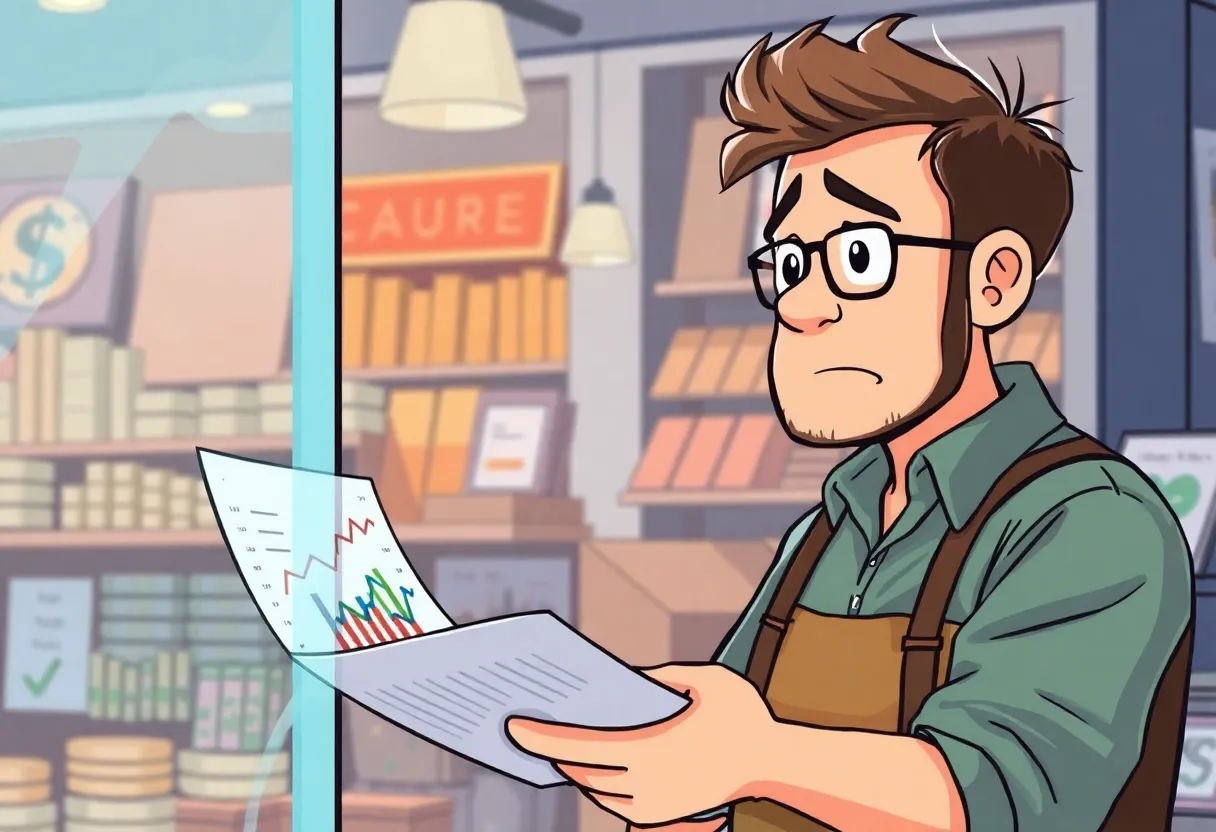
Recent analyses reveal that tariffs designed to protect domestic industries are placing a heavier burden on small businesses than on foreign competitors. While these trade measures aim to level the market, small enterprises face increased costs due to reliance on imported goods. This situation may lead to higher prices for consumers and disruptions in established supply chains, challenging the adaptability of small businesses. Policymakers need to consider these implications to ensure that tariffs do not inadvertently harm the entities they intend to protect.
Tariffs Harm Small Businesses More Than Foreign Countries
Oklahoma City, OK – Recent analyses indicate that tariffs intended to protect domestic industries are disproportionately affecting small businesses rather than foreign competitors. These trade measures, while aimed at leveling the playing field, often lead to increased costs for small enterprises that rely on imported goods and materials.
Impact on Small Businesses
Small businesses, which typically operate with limited resources, are particularly vulnerable to the financial strain caused by tariffs. The additional expenses can result in higher prices for consumers, reduced profit margins, or the need to seek alternative suppliers, potentially disrupting established supply chains. In a market where adaptability is key, small businesses may find it difficult to shift their operations without incurring significant losses.
Effects on Foreign Competitors
In contrast, large foreign corporations often have the capacity to absorb tariff-induced costs or adjust their pricing strategies to maintain market share. This adaptability can mitigate the intended impact of tariffs on foreign competitors, allowing them to continue operating effectively while local small businesses bear the brunt of the financial burden.
Background Context
Tariffs are taxes imposed on imported goods to encourage consumers to purchase domestic products. While they aim to protect local industries from foreign competition, the unintended consequences can include increased operational costs for small businesses and potential disruptions in the market. As these tariffs raise the price of imported goods, small businesses often face the dilemma of passing these costs onto consumers or suffering reduced profit margins.
Conclusion
While tariffs are designed to shield domestic industries, their implementation often places a heavier burden on small businesses than on foreign competitors. Policymakers should consider these effects to ensure that trade measures do not inadvertently harm the very entities they intend to protect. A balanced approach that fosters growth while safeguarding the interests of small businesses could lead to a more vibrant economic environment in Oklahoma City and beyond.
Frequently Asked Questions (FAQ)
What are tariffs?
Tariffs are taxes imposed on imported goods to encourage consumers to purchase domestic products.
How do tariffs affect small businesses?
Tariffs can lead to increased costs for small businesses that rely on imported goods and materials, potentially resulting in higher prices for consumers, reduced profit margins, or the need to seek alternative suppliers.
Do large foreign corporations feel the impact of tariffs?
Large foreign corporations often have the capacity to absorb tariff-induced costs or adjust their pricing strategies to maintain market share, mitigating the intended impact of tariffs on them.
What is the intended purpose of tariffs?
Tariffs are intended to protect domestic industries from foreign competition by making imported goods more expensive, thereby encouraging consumers to buy domestic products.
Should policymakers consider the impact of tariffs on small businesses?
Yes, policymakers should consider the effects of tariffs on small businesses to ensure that trade measures do not inadvertently harm the very entities they intend to protect.
Key Features of the Article
| Feature | Description |
|---|---|
| Impact on Small Businesses | Tariffs lead to increased costs for small businesses, potentially resulting in higher consumer prices and reduced profit margins. |
| Effects on Foreign Competitors | Large foreign corporations can absorb tariff-induced costs or adjust pricing strategies, mitigating the impact of tariffs on them. |
| Background Context | Tariffs are taxes on imported goods aimed at protecting domestic industries, but they can have unintended consequences for small businesses. |
| Conclusion | Policymakers should consider the disproportionate impact of tariffs on small businesses to ensure trade measures do not harm the entities they intend to protect. |
Deeper Dive: News & Info About This Topic
HERE Resources
Oklahoma City’s Independent Retailers Face Sales Growth Challenges
Holiday Pop-Up Shops to Showcase Local Artisans in Oklahoma City
Small Businesses in Oklahoma City Skip Black Friday for Holiday Pop-Up Shops
Halloween Price Hikes Hit Oklahoma Shoppers
Tulsa’s Spotlite Magic and Costumes Sees Record Sales Amid Halloween Rush
Texas Redistricting Trial Concludes with Business Implications
Rural Entrepreneurs Secure $50,000 in Funding at OKFB Demo Day
Oklahoma’s Beef Prices Surge Due to New Tariffs
Beacon Hill Financial Launches New Branch in Oklahoma City
OKC Halloween Shop Closes Due to Rising Tariffs

